1. Customized vitamin and mineral premix based on customers’ requirement and formulations
2. Customized options are available for different animals and production stages
3. Provide high quality products and cost-effective nutritional solutions for feed manufacturers to achieve strong performance and profitable animal production
4. expertise in premix formulation provides an adequate balance of vitamins and minerals for a healthy diet.
5. Traceability of ingredients and premix formulations offer quality assurance
6. Produced with free-flowing technology to prevent clumping and caking Mixing
7. High precision air flow balancing system to reduce dust greatly, Uniformity below 5%
8. Variable speed design to protect vitamins from heat damage in the mixing process
Mineral premixes in feed-grade form serve several functions and have various applications in animal nutrition. Here are their functions and applications:
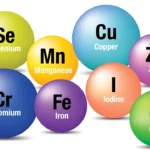
Mineral Supplementation: Mineral premixes are formulated to provide a balanced combination of essential minerals to meet the specific nutritional requirements of animals. Minerals are inorganic elements required in relatively small quantities for various physiological functions, including bone formation, muscle contraction, enzyme activation, nerve transmission, immune function, and overall health. Mineral premixes ensure that animals receive adequate levels of essential minerals, including macro-minerals (such as calcium, phosphorus, magnesium, potassium, and sodium) and trace minerals (such as iron, zinc, copper, manganese, selenium, iodine, and cobalt), which may be insufficient or lacking in their diets.
Maintenance of Vital Functions: Minerals play crucial roles in numerous physiological processes and functions, supporting overall health, growth, and performance in animals. They are essential components of bones, teeth, muscles, enzymes, hormones, and various metabolic pathways. Adequate mineral supplementation helps maintain vital functions and supports optimal growth, development, reproduction, immune function, and overall well-being in animals.
Bone and Skeletal Health: Calcium, phosphorus, magnesium, and other minerals are critical for bone formation, growth, and mineralization in animals. Adequate mineral supplementation supports skeletal development, bone strength, and overall bone health in young growing animals, as well as bone maintenance and integrity in mature animals. Mineral premixes contribute to optimal bone mineralization and reduce the risk of skeletal disorders such as rickets, osteomalacia, and osteoporosis.
Muscle Function and Nerve Transmission: Minerals such as potassium, sodium, calcium, and magnesium are essential for muscle contraction, nerve transmission, and electrolyte balance in animals. Adequate mineral levels support proper muscle function, coordination, and nerve signaling, ensuring optimal performance and movement in animals.
Enzyme Activation and Metabolic Processes: Minerals serve as cofactors and activators for numerous enzymes involved in metabolic processes, nutrient metabolism, and cellular functions in animals. They play essential roles in energy metabolism, protein synthesis, carbohydrate and lipid metabolism, antioxidant defense, and other biochemical reactions. Adequate mineral supplementation supports enzyme activation, metabolic processes, and overall metabolic health in animals.
Reproductive Health and Fertility: Minerals such as zinc, copper, selenium, and manganese are essential for reproductive health, fertility, and reproductive performance in animals. They are involved in hormone synthesis, gamete production, embryo development, and fetal growth. Adequate mineral levels support reproductive function, estrus cycles, conception rates, pregnancy outcomes, and overall reproductive efficiency in breeding animals.
Immune Function and Disease Resistance: Minerals play critical roles in immune function, antioxidant defense, and disease resistance in animals. They are involved in the production of immune cells, antibodies, and antioxidant enzymes that protect against pathogens, oxidative stress, and disease challenges. Adequate mineral supplementation supports immune function, enhances disease resistance, and improves overall health and welfare in animals.
Regulatory Compliance: Mineral premixes used in animal feed applications comply with regulatory standards and guidelines established by food and feed safety authorities. Their composition, formulation, and labeling are regulated to ensure safe and effective use without compromising animal health or product quality.
Application in Various Animal Feeds: Mineral premixes are incorporated into various types of animal feeds, including complete feeds, concentrates, supplements, and premixes, to provide comprehensive mineral supplementation. They can be added to feed formulations during the manufacturing process or included as supplements during feed mixing, ensuring uniform distribution and consistent nutrient content in each feed batch.
In summary, mineral premixes feed grade serve as essential nutritional supplements in animal nutrition, providing balanced mineral supplementation to meet the specific requirements of animals for growth, health, and performance. Their applications extend to various animal species, production stages, and production systems, contributing to overall animal health, welfare, and productivity.
1. Customized vitamin and mineral premix based on customers’ requirement and formulations
2. Customized options are available for different animals and production stages
3. Provide high quality products and cost-effective nutritional solutions for feed manufacturers to achieve strong performance and profitable animal production
4. expertise in premix formulation provides an adequate balance of vitamins and minerals for a healthy diet.
5. Traceability of ingredients and premix formulations offer quality assurance
6. Produced with free-flowing technology to prevent clumping and caking Mixing
7. High precision air flow balancing system to reduce dust greatly, Uniformity below 5%
8. Variable speed design to protect vitamins from heat damage in the mixing process
Vitamin premixes in feed-grade form are essential components of animal nutrition, serving several functions and having various applications. Here are their functions and applications:
Vitamin Supplementation: Vitamin premixes are formulated to provide a balanced combination of essential vitamins to meet the specific nutritional requirements of animals. Vitamins are organic compounds required in small quantities for various metabolic processes, growth, reproduction, and overall health. Vitamin premixes ensure that animals receive adequate levels of vitamins, including fat-soluble vitamins (A, D, E, and K) and water-soluble vitamins (B-complex vitamins and vitamin C), which may be insufficient or lacking in their diets.
Maintenance of Vital Functions: Vitamins play crucial roles in numerous physiological functions, including immune function, vision, bone development, reproduction, skin and coat health, nervous system function, and antioxidant defense. Adequate vitamin supplementation helps maintain vital functions and supports overall health and well-being in animals, contributing to improved growth, performance, and productivity.
Compensation for Vitamin Deficiencies: Animal diets may lack sufficient levels of certain vitamins due to factors such as feed processing, storage conditions, feed ingredients, and animal-specific requirements. Vitamin premixes are formulated to compensate for potential vitamin deficiencies in animal diets, ensuring that animals receive optimal levels of vitamins necessary for their growth, development, and physiological function.
Support for Specific Production Stages: Vitamin requirements may vary depending on the species, age, physiological stage, reproductive status, and production goals of animals. Vitamin premixes can be tailored to meet the specific needs of different animal species and production stages, such as growth, gestation, lactation, and egg production. Customized vitamin formulations ensure that animals receive the appropriate levels of vitamins to support their specific nutritional needs and performance objectives.
Enhanced Nutrient Utilization: Vitamins play essential roles as cofactors and coenzymes in enzymatic reactions involved in nutrient metabolism, digestion, and absorption. Adequate vitamin supplementation improves nutrient utilization and efficiency by supporting metabolic processes, enhancing nutrient absorption, and optimizing energy metabolism in animals. This leads to improved feed conversion efficiency, nutrient utilization, and overall performance in livestock, poultry, and other animals.
Regulatory Compliance: Vitamin premixes used in animal feed applications comply with regulatory standards and guidelines established by food and feed safety authorities. Their composition, formulation, and labeling are regulated to ensure safe and effective use without compromising animal health or product quality.
Application in Various Animal Feeds: Vitamin premixes are incorporated into various types of animal feeds, including complete feeds, concentrates, supplements, and premixes, to provide comprehensive vitamin supplementation. They can be added to feed formulations during the manufacturing process or included as supplements during feed mixing, ensuring uniform distribution and consistent nutrient content in each feed batch.
In summary, vitamin premixes feed grade serve as essential nutritional supplements in animal nutrition, providing balanced vitamin supplementation to meet the specific requirements of animals for growth, health, and performance. Their applications extend to various animal species, production stages, and production systems, contributing to overall animal health, welfare, and productivity.
Mineral premix for breeding poultry adopts unique OMS technology, innovative proportion among organic iron, zinc and manganese;
Using basic copper chloride and basic zinc chloride to replace traditional inorganic salts.
Item | Standard(mg/kg) |
Appearance | pale green powder |
Copper(II) | 4.00×10³~1.2×10⁴ |
Iron (II) | 1.00×10⁴~3.00×10⁴ |
Zinc (II) | 4.00×10⁴~1.20×10⁵ |
Manganese (II) | 4.00×10⁴~1.20×10⁵ |
Iodine | 1.50×10³~4.50×10³ |
Selenium | 150~450 |
Increase the percentage of qualified eggs, hatchability and fertilization rate.
Reduce the damage to other nutrients
Reduce stress of breeding.
View Products
View Products
View Products
View Products